|
Algonquin Tribe
General Information on the Algonquin: The Algonquin is a tribe that live in Ottawa, Canada. In their language (which has many dialects) Algonquin means , "At the place of spearing fishes and eels". This tribe is very interesting in many different ways which we will explore. Communications with others The Algonquin made in 1760 a alliance with the British, before they alined with the French. When the Europeans came the Algonquin where influenced to make their own written language. The language does not look similar to roman style lettering, it is more like symbols. The Algonquin would also trade fur from their hunts with the Europe merchants which used it for clothing. This was the main trade with Europeans, but the Algonquin trained amongst them selves with wampan beads. Roles of men and Woman Men and Woman had separate tasks to do. Sometimes both genders can had the same role, such as with medicinal work. Every gender had the role of teaching the younger generation how to do the tasks. There roles are as follows; Men mainly hunted and fished. They were also the ones that could be chiefs. Woman had many more tasks such as gathering herbs, berries, hunting small fish, making meals (cooking), preparing for the harsh winter, cleaning tools and homes and making clothing where all amongst the tasks. 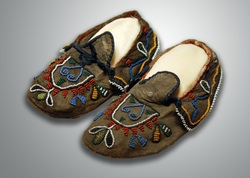
Clothing
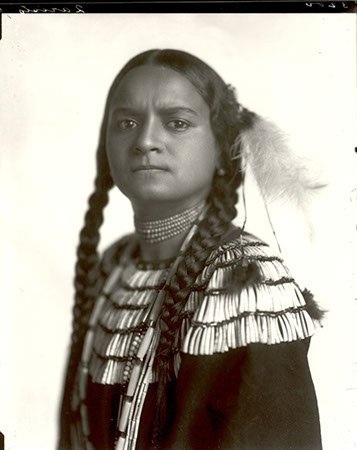
The Woman of the tribe would wear long dresses and jewelry and other accessories. Men would where breechcloths and leggings. As shoes men and woman would where moccasins. Some men would shave their heads and leave only a line of hair that went along their skald, in spikes. Most others would have their hair in long braids. 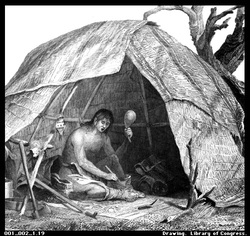
Housing and Transportation
The Algonquin lived in Wigwams. Wigwams where for most of the year appropriate, when the cold winter arrived the tribes would make smaller, so more heated, housing. The tribe would either walk by foot or use brich back canoes to travel over lakes. Of course this method would not work when winter arrived. The Algonquin people then built snow shoes. These shoes would give them a stronger grip to the snowy and surroundings. 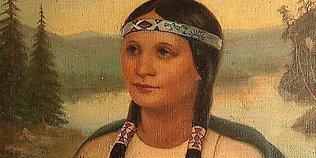
Culture and food
The Algonquin could not farm a lot because they were semi-nomadic and the agriculture would be a hard task to complete because of the area where they lived with the land. Their food was generally hunted and gathered. Hunters had perfected the ability to set traps for their pray. The tools where knives, spears and their famous bow and arrows. They would use spears for fishing The Algonquin where quite skilled artist, wether it came to bead or basket work. The tribe was very religious and believed in afterlife and witchcraft. They also believed to respect objects such as trees and stones, because they have a purpose and a part of the circle of life. Also the Algonquin believed in visions and dreams which had a meaning. Nowadays 2000 Canadians proudly say that they descend or are a part of the tribe. Nowadays they also have a collage that thrives in numerous students. Parks have been placed and schools have been funded. The Iroquois Tribe
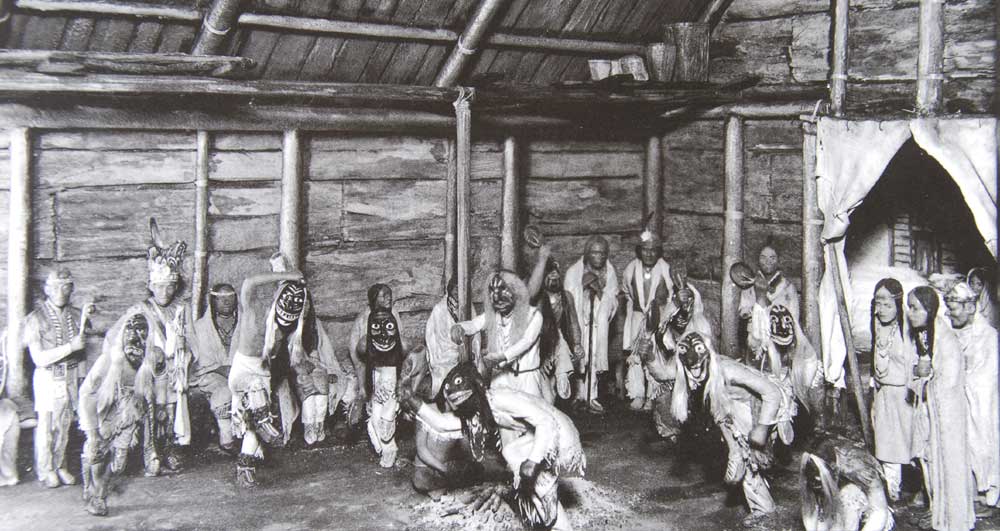
General Information on the Iroquois: The Iroquois in English means, " the real snakes". However, they called theirselves, 'Haudenosaunee' which means 'People of the Longhouse' in English. The Iroquois was one of the Indigenous people tribe in North America. The Iroquois are known for their long houses, the farming they do, their beadwork known as Wampum and their sacred mask carvings. There were many Iroquois nations but the main ones were the Seneca, Mohawk, Cayuga, Onondaga and Oneida. These were the nations that came together to develop the strong and well known in history, Iroquois Confederacy. Since there were different Iroquois nations that means that they had different dialects. Although each nation spoke a different dialect, they were all similar since they were differnt dialects of the same language, they were similar and were able to communicate with each other. 
Resources: The Iroquois lived in very fertile land that had many natural resources. There main ones were trees, wood, vegetables (corn, squash, wild carrot, beans, berries, mushrooms, ect. ), stone, fish, deer, raccoon, moose, beavers and fresh water. Area: The Iroquois was the most eastern Native American tribe. The Iroquois occupied places that are known today as Ohio, Pennsylvania, New-York, Quebec and Ontario. They were located to the north-east of America and east of Canada. The area that the Iroquois occupied were near rivers so they mainly used it as a source of food and a way of travel. There was also lots of vegetation and mountains where they lived. 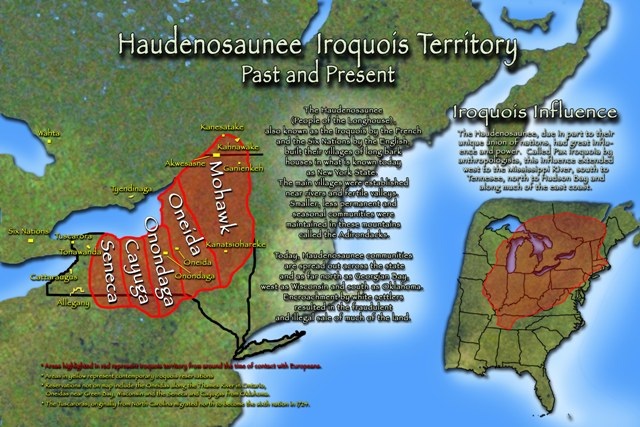
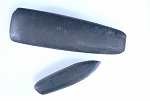
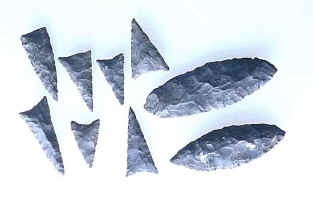
Weapons and tools: Stone, wood and teeth from animals were what their weapons were most times made out of (as well as their tools). Stone was used to create their axes, chert arrow point, knives,ect. Wood was used for the handles of many weapons and in some cases as arrow points. Transportation: On land the Iroquois generally walked and in water they traveled in canoes. Although the Iroquois mainly walked on land, they also used a toboggao which was a special kind of sled. The main types of canoes used were the birch bark canoes and Maliseet canoes. 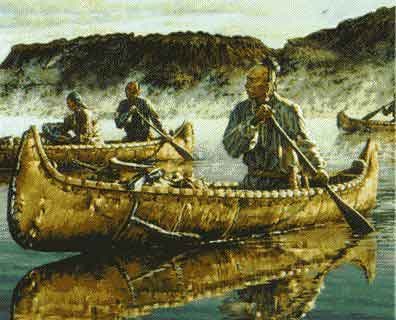
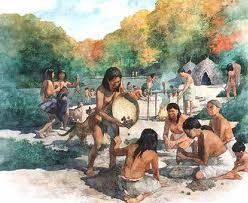
Society Sturcture: Roles of Iroquois women: One thing for sure is that the women of the Iroquois were very strong, powerful and I charge of all of the tribes decisions (unlike many nations today). Women were the head of the Iroqouis society. They were in charge of deciding the political, social, spiritual and economical meanings to the rest of the tribe. The women had so much power because the Iroquois had a matrilineal society. This means that the inheritance went down from mother to children and husband instead of the other way around. The roles of the Iroquois women were to prepare the meals, take care of children and long houses, making clothing, electing sachems (chief/ leaders) and did many jobs that men are known to do such as gambling, belonged to the spiritual associations, participate in political ceremonies and own land. Roles of men: The Iroquois men roles were to be warriors, hunters and tradesmen. They were also responsible for protecting their families from raiding Indian tribes and from animal attacks. Another role of the men of this tribe was to hunt wild animals (since they were hunters) for their wives could prepare meals for the family who lived in the long houses. As we know, men were tradesmen. They use to go out to trade with other Iroquoian speaking nations. One very interesting observation is that although the women were the ones in charge of the tribe and voted for who was voted to be the sachems, it was only men that were allowed to be the tribes representatives in the Iroquois Confederacy. Roles of the children: Iroquois children did really have a formal form of education and instead they were taught roles by their parents depending on the gender of the child (the girls were taught by their mothers and the boys were taught by their fathers or elder male relatives). Boys learned how to hunt, trap game and fish where as,girls learned how to plant seeds, cook, and make clothing (these jobs would help them to prepare for their roles as adults). The Iroquois children were taught to be strong and brave, to never complain, to walk quietly, and always be obedient. Culture:
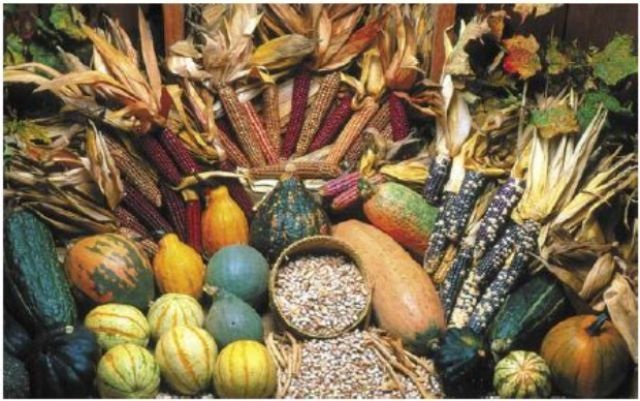
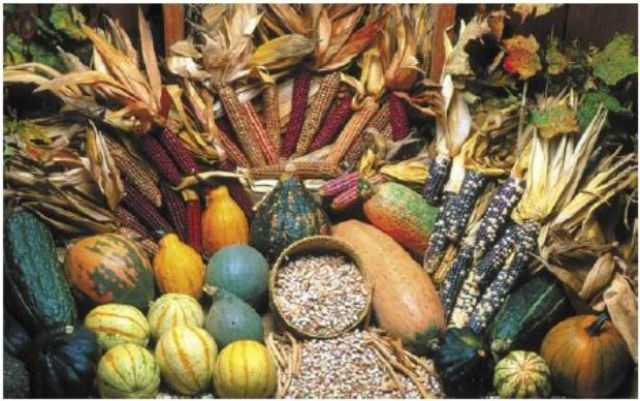
Food: The Iroquois were known as very good farmers and the main food that these people ate were plant based. The main crops that they harvested and ate was corn, beans and squash. They called them the three sisters and these food products were crucial for all their meals. They also ate grains, fruits and vegetables such as corn, squash, wild carrot, beans and mushrooms. Since the Iroquois was a hunting tribe as well and had so many animal resources, they used them as another way for food. Shelter:
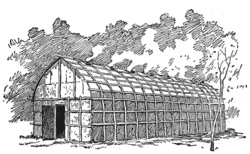
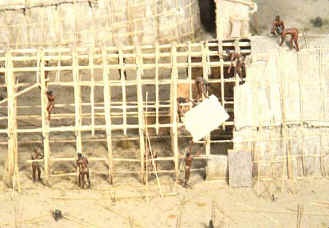
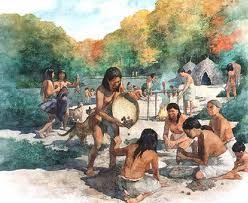
The people made shelter with mainly plant produces (wood, branches, leaves, bark, ect.). They lived in 'Long houses' and became very famous for this unique architecture. The Iroquois were very famous for this architecture. Long houses were very long and narrow buildings. Many families shared one long houses and most not if all of them were inherited from mothers to daughters. Each family lived in a small area of the longhouse and there area was divided into two levels, lower level for where they sleep and the lower level for their belongings. Clothing:
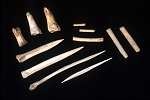
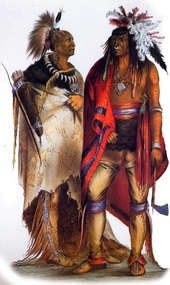
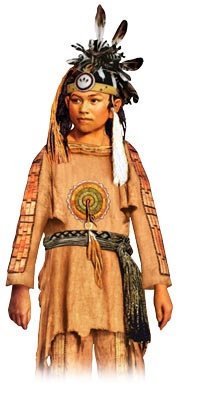
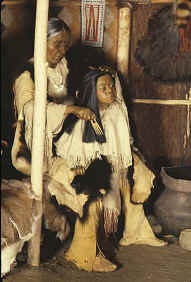
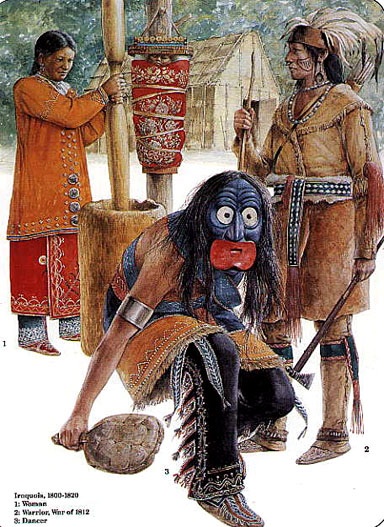
First of all, it was the women's job to make the clothing but the men's role to collect the animal skin and fur. The Iroquois used the skins and furs of many woodland animals to make their clothing. In some occasions they used woven plant and tree fibers to make clothing. This was especially found in the making of their shoes (Moccasins). Deerskin was used the most for clothing because it was very soft (one of their softest materials) and it was very durable. From the deerskin the people made breech cloths, leggings, tunics, and moccasins (both men and women wore those). The Iroquois were very resourceful and used needles made from animal bones to sew the deerskin and other materials together to make the clothing. The men of the Iroquois often wore very colourful caps and quilts covered with a variety of bird feathers. The Iroquois often used dye/ very colorful porcupine quills or small shell beads to create patterns as decorations for their clothing. |

|

Festivals:
The Iroquois festivals were mainly based on three things; oral tradition, agriulture and religeon. The elders of the tribe educated the people about their history by oral tradition (not lots of written history but stories about their past and experiences. Most of their festivals were about celebrating how blessed they are since they have very fertile. The common practice of all their festivals were the opening and clothing prayer and worship sessions.
The Iroquois festivals were mainly based on three things; oral tradition, agriulture and religeon. The elders of the tribe educated the people about their history by oral tradition (not lots of written history but stories about their past and experiences. Most of their festivals were about celebrating how blessed they are since they have very fertile. The common practice of all their festivals were the opening and clothing prayer and worship sessions.
Religeon:
The Iroquois worshiped a superior being (God) that created them. He was called 'Great Spirit' . They were strong believers of the nature being 'alive' and having human like characteristics. They showed great respect to nature and thought that the 'Great Spirit' communicated with them and showed them signs through it. Another way that they communicated was by burning tobacco and having dreams (they were thought to be unnatural messages from the Gods).
The Iroquois worshiped a superior being (God) that created them. He was called 'Great Spirit' . They were strong believers of the nature being 'alive' and having human like characteristics. They showed great respect to nature and thought that the 'Great Spirit' communicated with them and showed them signs through it. Another way that they communicated was by burning tobacco and having dreams (they were thought to be unnatural messages from the Gods).


Algonquin Bibliography:
"Algonquin College Home." Algonquin College. Web. May 2014. <http://www.algonquincollege.com/>.
"Algonquin History." Timetoast. Web. 15 May 2014. <http://www.timetoast.com/timelines/60993>.
"Algonquin Indian Fact Sheet." Facts for Kids: Algonquin Indians (Algonquins). Web. 15 May 2014. <http://www.bigorrin.org/algonquin_kids.htm>.
"Algonquin Tribe and Nation." Algonquin Tribe and Nation. Web. 16 May 2014. <http://www.algonquinindians.com/>.
Algonquin Woman. The New Main times. 27 June 2012. Web. 25 May 2014. <http://www.newmainetimes.org/articles/2012/06/27/take-heart-27-june-2012/>.
Beaded Moccasins. I Am a Museum. Web. 25 May 2014. <http://www.imamuseum.org/sites/default/files/mars/96/96cf4f56-295e-4570-a073-a03f54023add.jpg>.
"History Algonquin Nation." History Algonquin Nation. Web. May 2014. <http://www.anishinabenation.ca/eng/alg_history_en.htm>.
HISTORY ALGONQUIN NATION. Web. 25 May 2014. <http://www.normlev.net/ancestry/algonquin/algonquin.htm>.
Iroquois Longhouse. Digital image. Web. 22 May 2014. <http://www.webpages.uidaho.edu/~rfrey/images/220/Ritual/Iroquois-Longhouse.jpg>.
Wigwam. Tribes of Native America. Web. 25 May 2014. <http://warriors.warren.k12.il.us/dmann/wigwam.jpg>.
Yogen, Nethra. "The Roles of the Algonquin Men, Women, and Children." Prezi.com. Prezie, 3 Apr. 2013. Web. 15 May 2014. <http://prezi.com/8tefczvqjxac/the-roles-of-the-algonquin-men-women-and-children/>.
"Algonquin College Home." Algonquin College. Web. May 2014. <http://www.algonquincollege.com/>.
"Algonquin History." Timetoast. Web. 15 May 2014. <http://www.timetoast.com/timelines/60993>.
"Algonquin Indian Fact Sheet." Facts for Kids: Algonquin Indians (Algonquins). Web. 15 May 2014. <http://www.bigorrin.org/algonquin_kids.htm>.
"Algonquin Tribe and Nation." Algonquin Tribe and Nation. Web. 16 May 2014. <http://www.algonquinindians.com/>.
Algonquin Woman. The New Main times. 27 June 2012. Web. 25 May 2014. <http://www.newmainetimes.org/articles/2012/06/27/take-heart-27-june-2012/>.
Beaded Moccasins. I Am a Museum. Web. 25 May 2014. <http://www.imamuseum.org/sites/default/files/mars/96/96cf4f56-295e-4570-a073-a03f54023add.jpg>.
"History Algonquin Nation." History Algonquin Nation. Web. May 2014. <http://www.anishinabenation.ca/eng/alg_history_en.htm>.
HISTORY ALGONQUIN NATION. Web. 25 May 2014. <http://www.normlev.net/ancestry/algonquin/algonquin.htm>.
Iroquois Longhouse. Digital image. Web. 22 May 2014. <http://www.webpages.uidaho.edu/~rfrey/images/220/Ritual/Iroquois-Longhouse.jpg>.
Wigwam. Tribes of Native America. Web. 25 May 2014. <http://warriors.warren.k12.il.us/dmann/wigwam.jpg>.
Yogen, Nethra. "The Roles of the Algonquin Men, Women, and Children." Prezi.com. Prezie, 3 Apr. 2013. Web. 15 May 2014. <http://prezi.com/8tefczvqjxac/the-roles-of-the-algonquin-men-women-and-children/>.
Iroquois Bibliography
Borade, Gaynor. "Iroquois Tribe: Religion and Culture." Buzzle. Buzzle.com. Web. 22 May 2014. <http://www.buzzle.com/articles/iroquois-tribe-religion-and-culture.html>.
Green, Justin Cm. "Native Ten Commandments by Justincmgreen on DeviantART." Native Ten Commandments by Justincmgreen on DeviantART. Web. 25 May 2014. <http://www.deviantart.com/art/Native-Ten-Commandments-94742063>.
"History of Eating in the United States." Iroquois Confederacy. Web. 21 May 2014. <http://www.dynamic2moms.com/iroquoisconfederacy.htm>.
"Iroquois." - Simple English Wikipedia, the Free Encyclopedia. Web. 15 May 2014.
":The Iroquois." INUIT & IROQUOIS. Web. 19 May 2014. <http://canada-natives.blogspot.de/p/iroquois.html>.
"Iroquois." Iroquois. Web. 14 May 2014.
"Iroquois Nation." Iroquois Nation. Web. 15 May 2014.
"The Iroquois of the North-east." The Iroquois of the North-east. Web. 20 May 2014. <http://www.wou.edu/~kcarlis/Web/iroquois.htm>.
"Iroquois Social Roles." The Iroquois. Web. 20 May 2014. <http://theiroquoisstory.weebly.com/iroquois-social-roles.html>.
"Iroquois." Wikipedia. Wikimedia Foundation, 05 Nov. 2014. Web. 14 May 2014.
"Iroquois Woman." Iroquois Woman. Web. 20 May 2014. <http://www.iroquoisdemocracy.pdx.edu/html/iroquoiswoman.htm>.
"Lake Iroquois - Town of Williston, Vermont ." Lake Iroquois - Town of Williston, Vermont . Web. 21 May 2014. <http://www.town.williston.vt.us/index.asp?&SEC=%7B862668AC-7CE1-4629-BA5E-ECC60DAA18A3%7D>.
"A Mohawk Iroquois Village." A Mohawk Iroquois Village. Web. 15 May 2014.
"New York State Test Prep: Social Studies 5 (Grade 4) Native Americans of New York State." New York State Test Prep: Social Studies 5 (Grade 4) Native Americans of New York State. Web. 12 May 2014.
"Religious Beliefs and Ceremonies." Iroquois. Web. 22 May 2014. <http://iroquoisgroup24.weebly.com/religious-beliefs-and-ceremonies.html>.
"Some Iroquois Artifacts (Continued)." New York State Museum. Web. 19 May 2014. <http://www.nysm.nysed.gov/IroquoisVillage/slidetwob.html>.
Walker, Takia C. "Native American History." Pinterest. Web. 20 May 2014. <http://www.pinterest.com/pin/566749934328712231/>.
"What Were the Natural Resources for the Iroquois." - Ask.com. Web. 12 May 2014.
"When First They Met: Red Plus White Equals Blue." Newtopia Magazine. Web. 15 May 2014.
Borade, Gaynor. "Iroquois Tribe: Religion and Culture." Buzzle. Buzzle.com. Web. 22 May 2014. <http://www.buzzle.com/articles/iroquois-tribe-religion-and-culture.html>.
Green, Justin Cm. "Native Ten Commandments by Justincmgreen on DeviantART." Native Ten Commandments by Justincmgreen on DeviantART. Web. 25 May 2014. <http://www.deviantart.com/art/Native-Ten-Commandments-94742063>.
"History of Eating in the United States." Iroquois Confederacy. Web. 21 May 2014. <http://www.dynamic2moms.com/iroquoisconfederacy.htm>.
"Iroquois." - Simple English Wikipedia, the Free Encyclopedia. Web. 15 May 2014.
":The Iroquois." INUIT & IROQUOIS. Web. 19 May 2014. <http://canada-natives.blogspot.de/p/iroquois.html>.
"Iroquois." Iroquois. Web. 14 May 2014.
"Iroquois Nation." Iroquois Nation. Web. 15 May 2014.
"The Iroquois of the North-east." The Iroquois of the North-east. Web. 20 May 2014. <http://www.wou.edu/~kcarlis/Web/iroquois.htm>.
"Iroquois Social Roles." The Iroquois. Web. 20 May 2014. <http://theiroquoisstory.weebly.com/iroquois-social-roles.html>.
"Iroquois." Wikipedia. Wikimedia Foundation, 05 Nov. 2014. Web. 14 May 2014.
"Iroquois Woman." Iroquois Woman. Web. 20 May 2014. <http://www.iroquoisdemocracy.pdx.edu/html/iroquoiswoman.htm>.
"Lake Iroquois - Town of Williston, Vermont ." Lake Iroquois - Town of Williston, Vermont . Web. 21 May 2014. <http://www.town.williston.vt.us/index.asp?&SEC=%7B862668AC-7CE1-4629-BA5E-ECC60DAA18A3%7D>.
"A Mohawk Iroquois Village." A Mohawk Iroquois Village. Web. 15 May 2014.
"New York State Test Prep: Social Studies 5 (Grade 4) Native Americans of New York State." New York State Test Prep: Social Studies 5 (Grade 4) Native Americans of New York State. Web. 12 May 2014.
"Religious Beliefs and Ceremonies." Iroquois. Web. 22 May 2014. <http://iroquoisgroup24.weebly.com/religious-beliefs-and-ceremonies.html>.
"Some Iroquois Artifacts (Continued)." New York State Museum. Web. 19 May 2014. <http://www.nysm.nysed.gov/IroquoisVillage/slidetwob.html>.
Walker, Takia C. "Native American History." Pinterest. Web. 20 May 2014. <http://www.pinterest.com/pin/566749934328712231/>.
"What Were the Natural Resources for the Iroquois." - Ask.com. Web. 12 May 2014.
"When First They Met: Red Plus White Equals Blue." Newtopia Magazine. Web. 15 May 2014.
